
Kids Corner: Colds and Coughs Explained Simply
Hi kids! Let's learn about colds and coughs. It's something almost everyone gets sometimes, but knowing a bit about it can help you feel better!
What are Colds and Coughs?
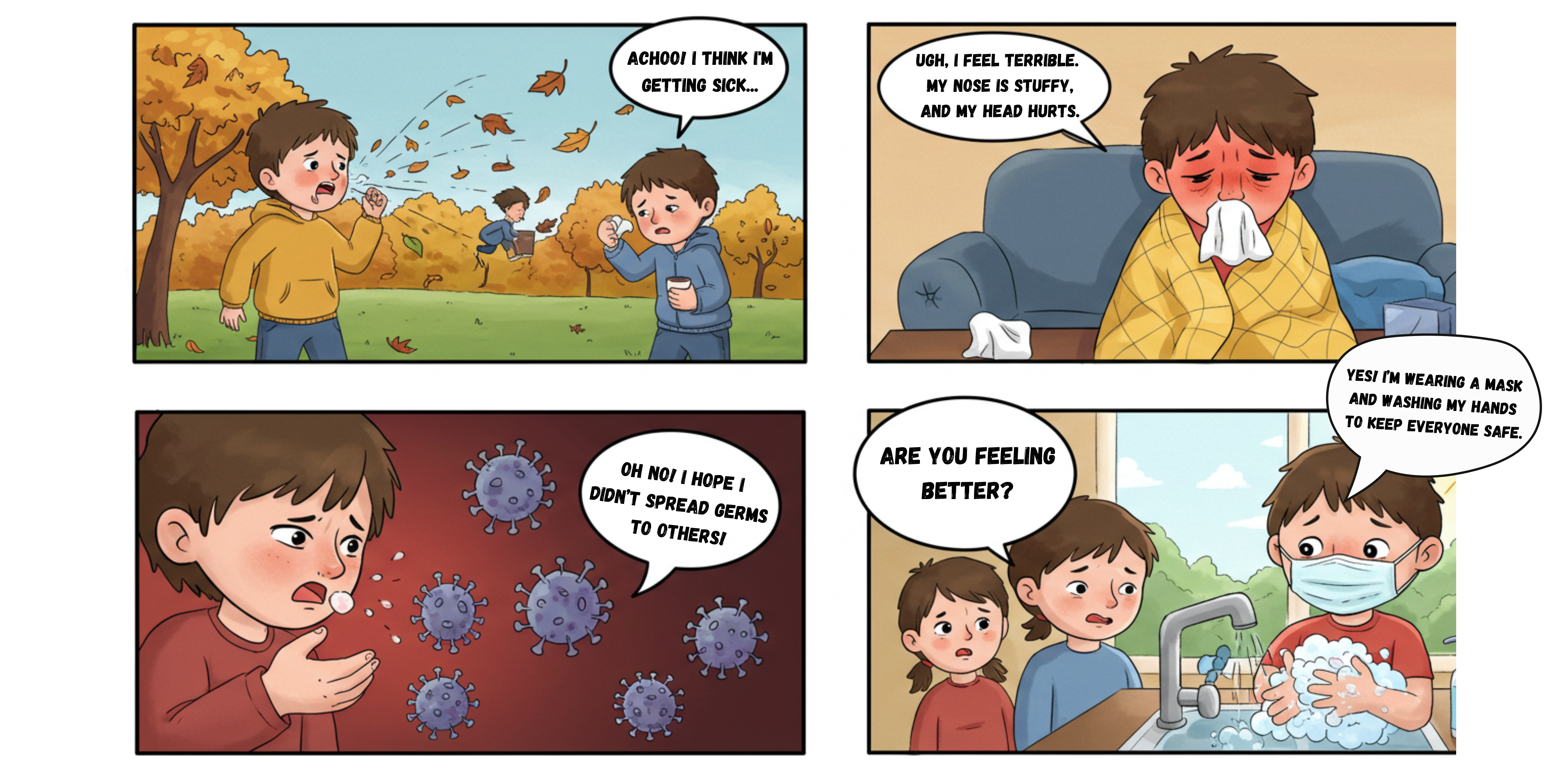
Imagine tiny germs, so small you can’t see them—those are viruses. When they get into your nose or throat, you get a cold. A cough is your body's way of clearing out those germs.
How Do We Catch a Cold?
Germs are sneaky! They can spread when someone coughs or sneezes near you or when they touch their nose and then a toy or door handle. That’s why washing your hands is super important!
What Can Help You Feel Better?
- Rest: Sleep helps your body fight germs.
- Drinks: Stay hydrated with water, juice, or warm soup.
- Listen to Grown-ups: They know best—always ask before taking any medicine!
When to See a Doctor
If you have trouble breathing, severe ear pain, a persistent fever, or feel much worse after a week, tell a grown-up immediately.
Medication Information
Understanding Over-the-Counter (OTC) Medications
This guide provides detailed information on common OTC medications used to relieve cold and cough symptoms. While they manage symptoms, they do not cure colds. Always consult a healthcare professional for personalized advice.
List of Common OTC Medications
Common categories include:
- Decongestants: (e.g., Pseudoephedrine, Phenylephrine, Oxymetazoline) relieve nasal congestion by narrowing blood vessels.
- Antihistamines: (e.g., Diphenhydramine, Chlorpheniramine; Loratadine, Cetirizine, Fexofenadine) reduce allergy symptoms; first-generation types are sedating.
- Expectorants: (e.g., Guaifenesin) thin and loosen mucus.
- Cough Suppressants: (e.g., Dextromethorphan) help reduce the urge to cough.
- Pain Relievers: (e.g., Acetaminophen, Ibuprofen, Naproxen) reduce fever and pain; follow dosing instructions carefully.
- Combination Medications: Combine ingredients to address multiple symptoms. Read labels to avoid duplication.
Safe Use and Dosage
- Read Labels: Know the active ingredients and follow dosage instructions.
- Proper Measuring: Use the provided device for liquid medications.
- Age Appropriateness: Check restrictions and consult professionals for young children.
- Duration: Avoid using nasal sprays beyond 3-5 days to prevent rebound congestion.
- Special Populations: Consult a professional if pregnant, elderly, or with chronic conditions.
Potential Side Effects
- Decongestants: Can cause increased heart rate and blood pressure.
- Antihistamines: First-generation types cause drowsiness and dryness.
- Expectorants: May cause nausea or stomach upset.
- Cough Suppressants: Can cause dizziness and drowsiness.
- Pain Relievers: Overuse can lead to liver damage (acetaminophen) or stomach upset (NSAIDs).
Drug Interactions
- Always inform your healthcare provider of all medications you take.
- Check labels to avoid taking overlapping ingredients.
- Be cautious of interactions, especially with decongestants and antihistamines.
- Consult a pharmacist if unsure.
Storage and Disposal
- Store medications in a cool, dry place away from sunlight.
- Keep out of reach of children and pets.
- Dispose of unused medications via take-back programs or following label instructions.
- For household trash disposal, mix with an unappealing substance and seal in a bag.
Myth vs. Fact Quiz
Swipe left for Myth or right for Fact on the card below, or click/drag left or right!
Cold weather can cause a cold.
Quiz: Test Your Knowledge
Quiz Results
Complete the quiz to see your score!
Additional Resources
For further reading and detailed guidance, consider visiting these reputable sources: